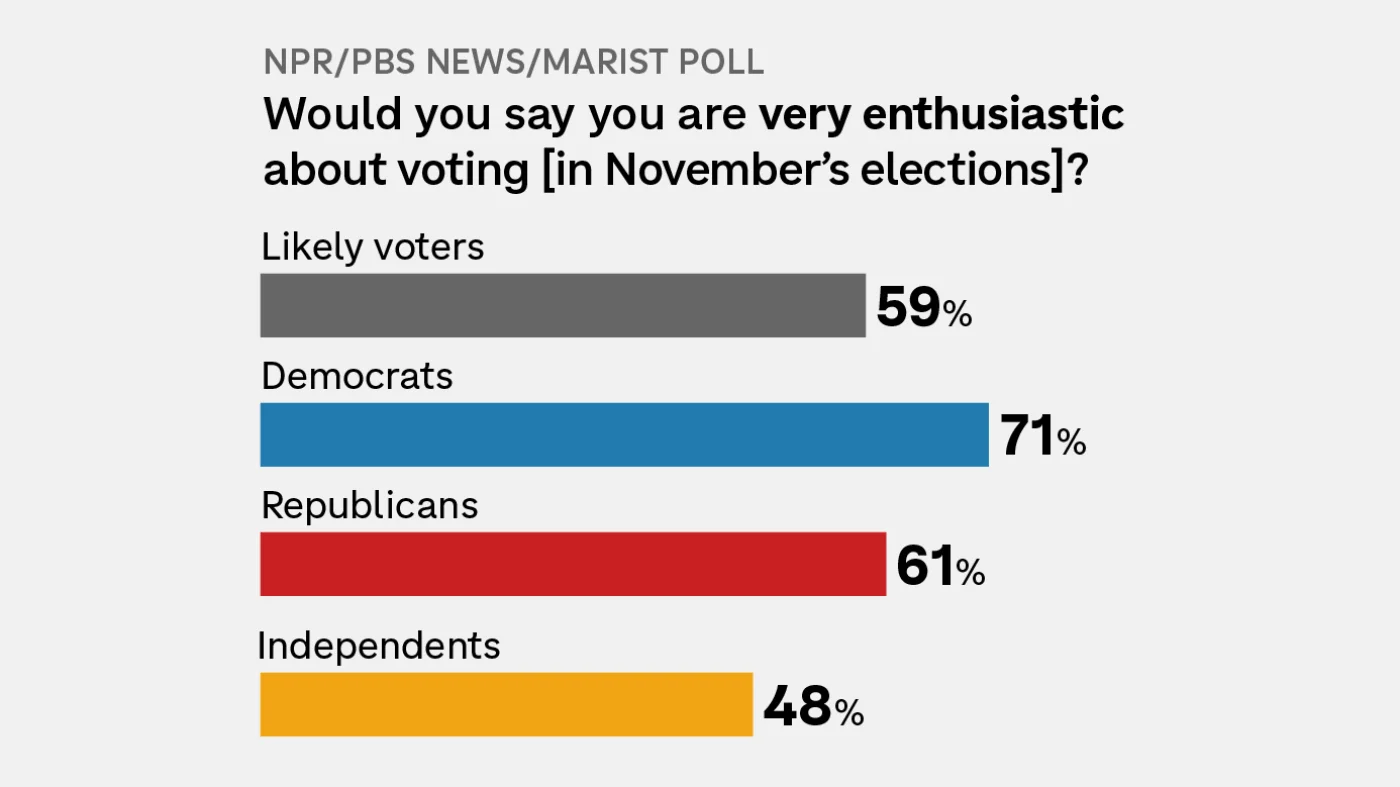
As the midterm elections approach, Democrats maintain significant electoral advantages, pointing to them as favorites to capture control of the U.S. House. However, recent polling data indicates that the scope of any potential electoral wave could be reined in by persistent voter anxieties, shifting demographics, and structural challenges.
The Dominance of Economic Pressures
At the center of voter decision-making across the ideological spectrum is the cost of living. Polling shows that a substantial portion of the electorate has experienced financial hardship over the past year, with many reporting that their personal finances have deteriorated. For everyday voters navigating high prices for essential goods, these economic strains override partisan loyalty.
"The economy is at the top of my list right now," said Shun Maurice, a 47-year-old independent voter from Arizona who participated in the survey, pointing to high food and gas prices as an ongoing strain. "They're too expensive for everybody, no matter who you voted for. They're just too expensive for the American people in general, and I don't like that."
While preserving democracy remains a motivating factor for Democrats and independents, immigration dominates the concerns of self-described supporters of Donald Trump. Beyond specific wedge issues, a strong desire for systemic change is palpable: a majority of likely voters emphasize the importance of electing candidates with fresh ideas capable of steering the country in a new direction.
Leadership Unpopularity and Enthusiasm Gaps
President Trump continues to face low approval and favorability ratings among likely voters, with a majority expressing strong disapproval of his job performance. Despite this widespread dissatisfaction, the translation of anti-incumbent sentiment into actual votes for the opposing party is not entirely straightforward. Some swing voters, while unhappy with the current administration, harbor reservations about shifts toward more progressive or democratic socialist platforms within certain factions of the opposition.
An enthusiasm advantage currently favors Democrats, particularly among voters who supported the previous Democratic presidential ticket. Yet, caution flags remain regarding engagement levels among key demographic pillars, including younger voters, non-white voters, and college-educated white women. At the same time, opposing voting blocs have closed the gap in terms of general election attentiveness.
Structural realities, including the effects of recent redistricting cycles, further complicate the landscape for the House and Senate. While historical polling leads of this magnitude have frequently correlated with major legislative pickups, the contemporary electoral map features numerous competitive districts where outcomes remain tightly contested, ensuring that the final balance of power will depend heavily on turnout in the closing days of the campaign.

