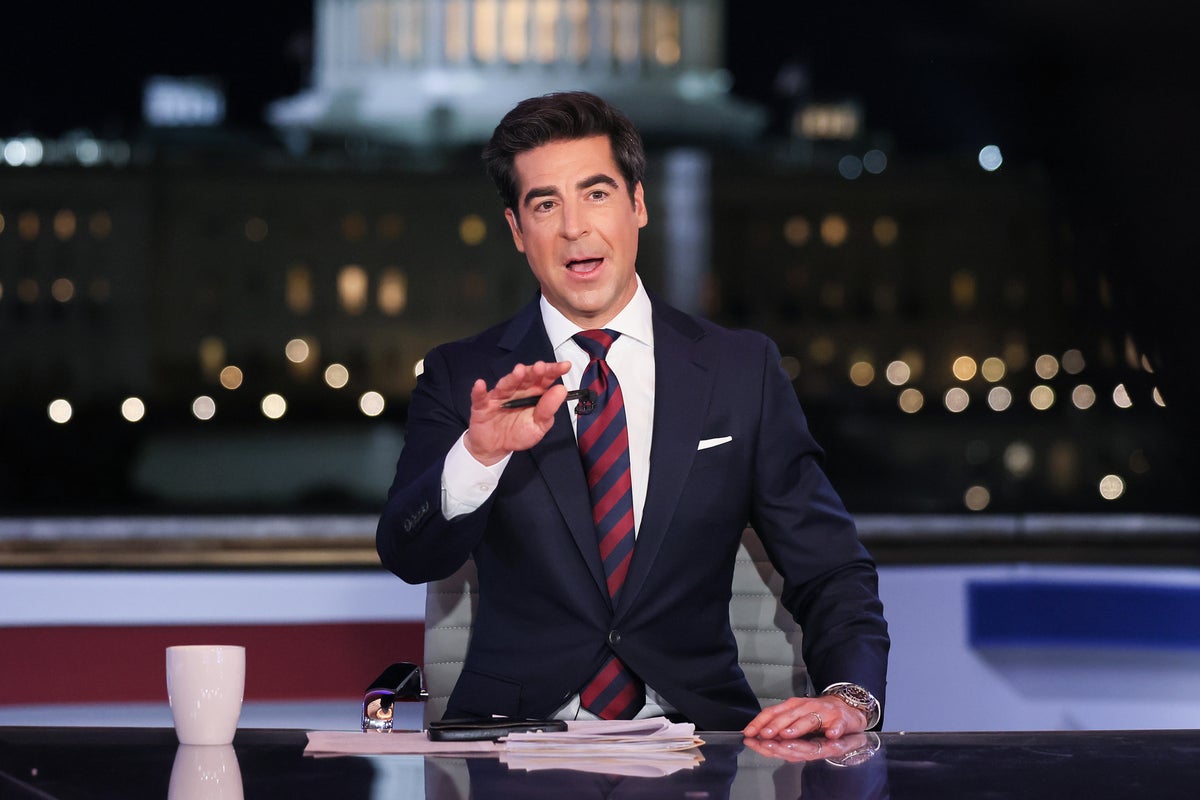
Even before polls fully close, high-stakes election nights can quickly unravel live on television. In a striking broadcast moment, conservative commentator Jesse Watters signaled early resignation over political headwinds, offering a surprisingly candid look into the anxiety gripping party loyalists during crucial midterm contests.
Speaking on air, Watters expressed immediate gloom about the electoral prospects facing his side, framing the upcoming results through an unusually defeated lens.
"I don’t feel great," Watters stated during the broadcast. "I feel like I’m about to play a game that I know I’m going to lose; I’m just trying not to get hurt. And getting hurt would mean you lose the Senate. And right now the Senate is very much in play, and it’s making me angry."
Unpacking the On-Air Anecdote
Beyond general electoral anxiety, Watters illustrated his concerns with an anecdote involving two contractors working at his residence. Using them as a proxy for key voter demographics, he questioned whether they had cast their ballots yet. When they answered that they had not, he recounted urging them to go vote—while simultaneously acknowledging his own hesitation to send them away and delay his home projects.
Watters argued that without former President Donald Trump directly on the ballot, motivating reliable turnout remains a major hurdle for down-ticket candidates.
"So we’re just supposed to pretend, and we’re all pretending he’s on the ballot, but really deep down we know he’s not on the ballot," Watters explained.
"Quite an insight into Jesse Watters' world. On the one hand, he wants these white guys to go vote to fight DEI or whatever. On the other hand...if they leave to vote then his home improvements will be delayed."
Media Criticism and Network Tension
The candid admission highlights broader friction between political commentators and party leaders. Donald Trump publicly voiced frustration with news coverage during the evening, criticizing network commentary and taking direct aim at panelist Jessica Tarlov, who frequently offers a Democratic perspective on air.
In public posts, Trump dismissed Tarlov's commentary while attacking overall network viewership metrics, claiming coverage was leaning too heavily toward opposing viewpoints.
Observers, however, were quick to note the disconnect between demographic assumptions made on air and actual voter behavior across the country.
"Straight white dude reporting in. I voted straight Democrat. Fuck off Jesse."
"You’ve got two middle-aged white guys, they would have been there… but he’s not on the ballot. What a tool. I'm a middle-aged white guy, he'd be upset with how I voted."
As election results continue to unfold, on-air exchanges like these underscore the volatility and internal stress facing political networks when long-standing electoral strategies encounter real-world friction.

