Hollywood Animation Directors Discuss Industry Challenges and AI's Role
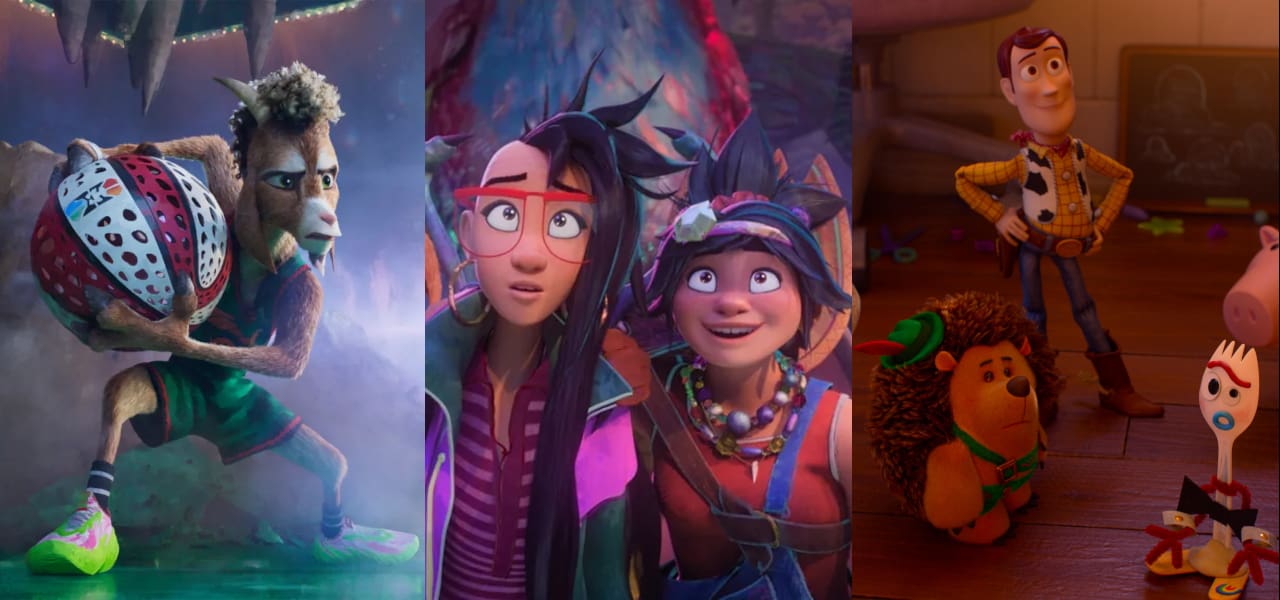
In a candid discussion at the View Conference, animation directors Joel Crawford, Januel Mercado, McKenna Harris, and Tyree Dillihay shared their insights on the current state of the animation industry, addressing issues such as theatrical distribution, the impact of streaming, and the future of original storytelling. The conversation also touched on the growing influence of anime and the potential implications of generative AI.
Studio Strategies and Audience Engagement
The directors expressed concern about the devaluation of animated features in theaters, attributing it to studios' strategies that prioritize streaming and shorter theatrical windows. Crawford highlighted the critical acclaim and box office disappointment of Forgotten Island, suggesting that despite excellent reviews, audiences remain hesitant to attend animated films in theaters.
Harris, who co-directed Toy Story 5, noted that families now weigh the cost of theatrical outings against home viewing, especially post-pandemic. She lamented the lack of appreciation for the unique theater experience, emphasizing the importance of original stories.
Dillihay offered a broader perspective, acknowledging that theatrical exhibition is just one aspect of a film's commercial life. He pointed to the success of streaming, video-on-demand, and other distribution outlets, suggesting that studios expect major returns from various venues.
Sequels as Financial Backbones for Originals
Harris shed light on the commercial pressures at Pixar, where the financial security of established franchises is crucial for funding original storytelling. She explained that while Pixar is passionate about original films, these projects are becoming increasingly challenging to justify financially.
"Trying to make original stories profitable is still the toughest nut to crack," Harris said, adding that Pixar's DNA is rooted in original storytelling, which they cannot sacrifice.
Anime's Influence and Studio Reluctance
The directors expressed optimism about animation's artistic future, particularly the growing influence of anime and the expanded variety of stories the medium can tell. Crawford argued that younger audiences are more open to animation's possibilities, while Harris suggested that studios' reluctance to embrace older audiences is tied to financial anxieties.
Dillihay highlighted the success of theatrical anime films associated with Demon Slayer, Jujutsu Kaisen, and Chainsaw Man, demonstrating demand for diverse storytelling beyond the traditional American studio model.
AI's Limited Appeal for Filmmakers
The discussion of generative AI took an awkward turn, with the directors expressing a cool reception to the technology. Despite their enthusiasm for new production tools, none of the filmmakers appeared eager to champion AI.
When asked about their experience with AI, Mercado was quick to clarify that Forgotten Island did not use AI, emphasizing the human element in their work. Harris also confirmed that Toy Story 5 did not utilize generative AI, acknowledging Pixar's technological innovation but hoping that any new tools would benefit artists without replacing them.
Crawford shared an anecdote about an animator's personal connection to a scene in Forgotten Island, highlighting the human expression and spirit that AI lacks. He urged artists to continue pushing the medium forward, emphasizing the importance of human creativity.
Conclusion
The panel discussion offered a refreshing perspective on the animation industry, focusing on the art form's future and the directors' unwavering enthusiasm. Despite challenges such as box office struggles, industry uncertainties, and technological advancements, the speakers' optimism and belief in animation's potential inspired a lively and engaging conversation.