The Starshield Incident: A Catalyst for Change
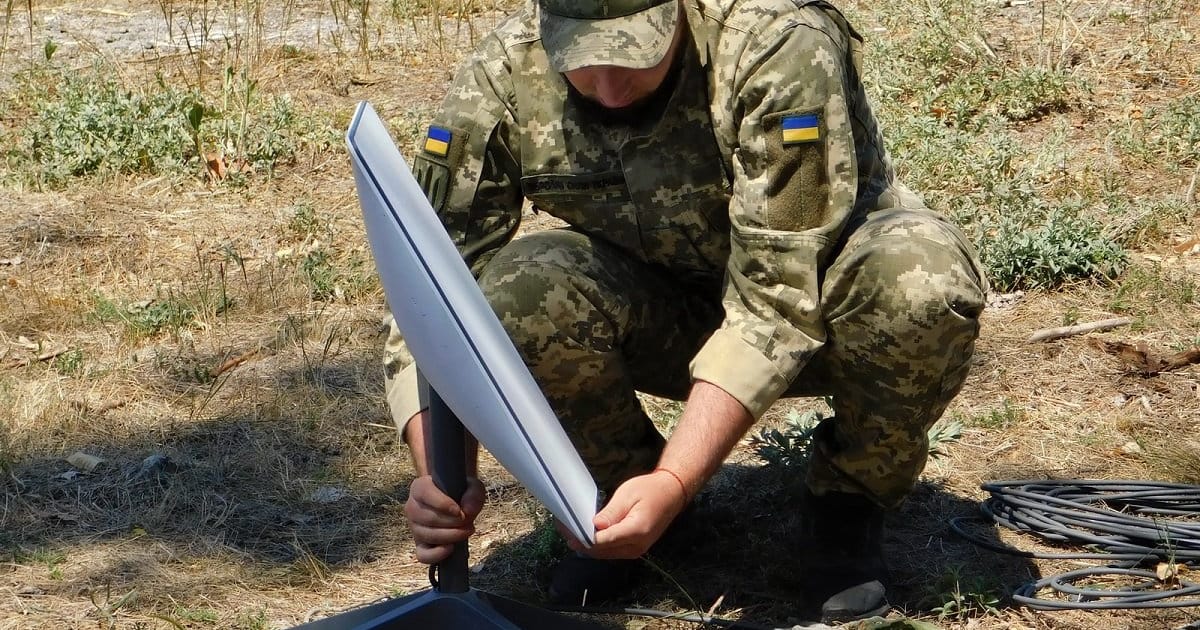
The recent throttling of Starshield, a service relied upon by many nations for critical operations, has sent shockwaves through European capitals. This incident, allegedly orchestrated by SpaceX owner Elon Musk or the US government, serves as a stark reminder of the vulnerabilities inherent in depending on a single provider, even an ally.
"What followed was an appalling blame game... While later reporting would point the finger at Musk, the precise cause is hardly the point." This quote captures the essence of the situation, emphasizing the need for action rather than finger-pointing.
Adaptation and Alternatives
European countries, particularly those within the EU and NATO, have a long history of satellite communication systems. The Ukraine War highlighted the importance of such services, prompting defense departments to seek alternatives to Starlink and Starshield.
"The EU and national satellite programs all seem to stem from 2022." This comment underscores the urgency and the realization that Europe cannot remain dependent on a single provider.
OneWeb, Europe's most promising commercial alternative to Starlink, faced bankruptcy in 2020. However, its low Earth orbit (LEO) satellite placement makes it a valuable asset. The UK and French governments stepped in, ensuring OneWeb's survival with 650 active satellites.
The IRIS² Project: A Long-Term Solution
The EU's IRIS² project aims to build its own satellite constellation. While this initiative has faced bureaucratic hurdles, an agreement has been reached to launch hundreds of new satellites into low and medium orbit. The project is estimated to cost €15.6 billion, with funding coming from the European public and the space industry consortium.
However, as of late 2026, most of the project exists only on paper. The technical specifications of contracted satellites are underwhelming, with each "upgraded" OneWeb satellite offering just 15Gb/s capacity. This pales in comparison to Starlink's satellites, most of which have 96Gb/s capacity.
"What is extra depressing is that many of SpaceX's design solutions... are known and relatively easy to replicate. Yet still European satellite providers... insist on using obsolete design concepts..." This comment highlights the frustration and the potential missed opportunities.
The Need for Local Production
Europe must establish local mass production of user terminals for IRIS², especially for military applications. The techniques for creating slimmed-down terminals already exist, offering a glimmer of hope.
"Not all is doom and gloom." This optimistic note is a welcome relief amidst the challenges.
Conclusion
The Starshield debacle has awakened Europe to the risks of dependence. While progress is being made, the journey towards satellite independence is a marathon, not a sprint. Europe must navigate bureaucratic hurdles, fund ambitious projects, and adapt to changing technologies. The wake-up call has been sounded, and now it's time for action.

